




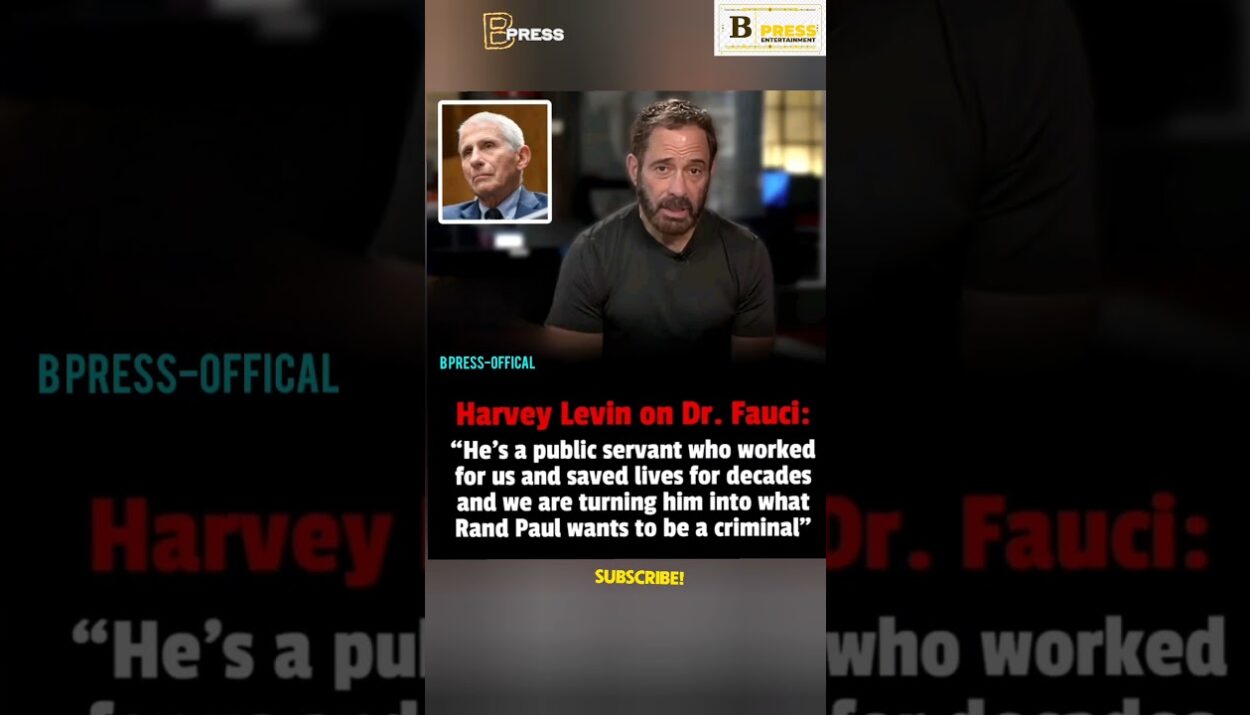

Dr. Fauci’s Testimony Raises Controversy
Dr. Anthony Fauci, the former director of the National Institute of Allergy and Infectious Diseases, recently testified regarding the COVID-19 pandemic, igniting significant political tension. During the hearing, Fauci defended his decisions and actions throughout the pandemic, but his statements were met with skepticism and criticism from some lawmakers.
Senator Rand Paul’s Contempt Threat
Following the testimony, Senator Rand Paul, a vocal critic of Fauci, announced plans to move forward with a contempt charge against him. Paul described the hearing as “combative” and accused Fauci of not being forthcoming with information. He stated that Fauci’s responses during the session were evasive and did not adequately address key questions about the origins of the virus and the U.S. government’s response.
Paul’s comments have intensified the scrutiny on Fauci, particularly as he seeks to clarify his role during the pandemic. The senator’s move to hold Fauci in contempt is seen as a continuation of their ongoing feud, which has included heated exchanges in previous hearings.
Fauci’s Legal Position
In light of the threats of prosecution, Fauci’s legal team has asserted that he is on “solid legal ground.” According to a report by the BBC, Fauci’s lawyer emphasized that the former director acted within the bounds of his authority and that any legal challenges would likely be unfounded. The legal landscape surrounding Fauci’s testimony remains complex, as both supporters and detractors weigh in on the implications of his statements.
Public Reactions and Political Ramifications
The public reaction to Fauci’s testimony has been mixed. Supporters argue that he has been a crucial figure in the fight against COVID-19 and that his expertise should be respected. Critics, however, view his actions and decisions as flawed and deserving of scrutiny. This divide reflects broader political tensions in the U.S. regarding pandemic response and public health policy.
The potential contempt charge could have significant implications for Fauci’s legacy and the ongoing discourse surrounding COVID-19. As the political climate continues to evolve, Fauci’s role in the pandemic will likely remain a contentious issue.
Looking Ahead: The Future of Fauci’s Involvement
As Fauci navigates these legal challenges, his future involvement in public health discussions may be uncertain. The fallout from his testimony could influence how public health officials approach transparency and accountability in the future. Observers are keenly watching how this situation unfolds, particularly as it intersects with ongoing debates about government response to health crises.
Expert Opinions on the Legal Threat
Legal experts have weighed in on the potential contempt charge, suggesting that it may serve more as a political maneuver than a legitimate legal challenge. The complexities of congressional testimony and the protections afforded to officials in their roles complicate the matter. Some analysts believe that the threat of prosecution could backfire, drawing more attention to Fauci’s contributions during the pandemic.
The Broader Context of COVID-19 Response
Fauci’s testimony and the subsequent legal threats come at a time when the U.S. is still grappling with the long-term effects of the COVID-19 pandemic. As new variants emerge and public health strategies evolve, the debate over accountability and transparency in health policy remains critical. Fauci’s role has been pivotal in shaping the national response, and his insights continue to inform discussions about future preparedness.
As the situation develops, it will be essential to monitor how these legal challenges impact not only Fauci but also the broader landscape of public health leadership. The outcomes of these proceedings could set precedents for how health officials are held accountable in the future.
For those interested in following the latest developments, the situation remains fluid, with potential implications for both Fauci’s career and the ongoing public discourse surrounding COVID-19. As reported by NPR, the political ramifications of this testimony and the resulting actions from lawmakers will likely continue to unfold in the coming weeks.
In a climate where public trust in health authorities is paramount, the resolution of these issues will be closely watched by both supporters and critics of Fauci. The ongoing dialogue about accountability and transparency in public health is more relevant than ever as the nation strives to learn from the challenges posed by the pandemic.
For more updates, check our latest news coverage.